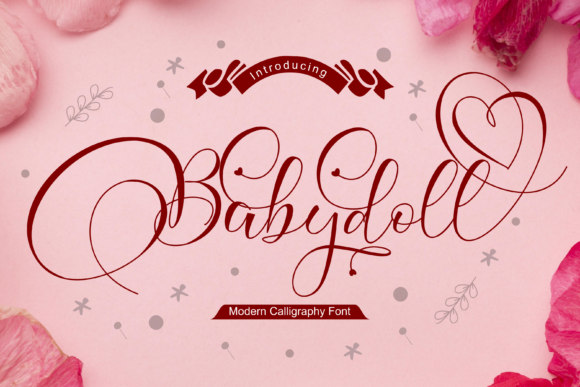
Baby Doll: A Romantic Handwritten Font That Brings Warmth and Elegance to Every Project
Imagine a font that doesn’t just sit on the page—but sways, smiles, and invites connection. That’s Baby Doll: a romantic, sweet, and effortlessly expressive handwritten typeface designed for creators who value authenticity, charm, and visual warmth. It’s not just another script font—it’s a carefully crafted voice on screen and paper, where every letter feels like a gentle gesture, and each word carries quiet intention.
What Makes Baby Doll Stand Out?
Baby Doll is more than decorative—it’s deeply human. Its characters appear to dance along the baseline, with subtle bounce, soft curves, and delicate contrast between thick and thin strokes. This isn’t accidental; it’s intentional design rooted in natural handwriting rhythm. Unlike rigid or overly formal scripts, Baby Doll balances playfulness with polish—making it ideal for projects that need personality without sacrificing sophistication.
One of its most practical strengths? PUA encoding. This means all alternate characters, stylistic ligatures, and special glyphs are accessible directly through standard keyboard shortcuts—no complex font managers or coding required. Whether you're using Adobe Photoshop, Illustrator, Canva, or even modern web editors, you can activate flourishes, swashes, or contextual alternates with ease.
Key Features at a Glance
- Hand-drawn authenticity: Each glyph reflects organic movement—not mechanical repetition.
- Rich character set: Includes uppercase and lowercase letters, numerals, punctuation, and multilingual support (Latin-based languages).
- Multiple alternates: Choose from stylistic variations for letters like “a”, “g”, “y”, and “s” to fine-tune tone and flow.
- Ligature-friendly: Built-in combinations (e.g., “fi”, “fl”, “ct”) enhance readability and elegance in longer text blocks.
- Cross-platform ready: Works smoothly on Windows, macOS, and many web-based tools when installed locally or embedded properly.
Where Does Baby Doll Shine? Real-World Uses
The magic of Baby Doll lies in its versatility—not in being everywhere, but in being *just right* where it matters most. Here’s how real creators use it:
Wedding & Event Design
From elegant save-the-dates to hand-lettered seating charts, Baby Doll adds intimacy without pretension. Its gentle motion evokes handwritten vows or love notes—making it a favorite among stationery designers and wedding planners alike.
Branding for Heart-Centered Businesses
Small businesses built on care—think boutique bakeries, holistic wellness studios, handmade jewelry shops, or children’s book illustrators—often choose Baby Doll to reflect their values visually. It communicates kindness, attention to detail, and emotional resonance—qualities customers instinctively trust.
Digital Content & Social Media
In an oversaturated feed, Baby Doll helps quotes, announcements, or product launches stand out—not through loudness, but through warmth. Used sparingly in Instagram story text overlays or Pinterest quote graphics, it creates pause-worthy moments that feel personal, not promotional.
Print & Packaging
Labels for artisanal goods, gift tags, or limited-edition packaging benefit from Baby Doll’s tactile quality. Even in small sizes, its open counters and balanced spacing ensure legibility—especially important for physical products where first impressions happen in seconds.
Who Benefits Most From Baby Doll?
You don’t need to be a professional designer to get value from Baby Doll. In fact, its accessibility makes it especially useful for:
- Entrepreneurs launching a brand with heart—whether selling candles online or offering life coaching sessions.
- Educators and parents creating printable worksheets, birthday invitations, or classroom displays that feel joyful and inclusive.
- Content creators building cohesive visual identities across blogs, newsletters, and video thumbnails.
- Hobbyists and crafters designing custom greeting cards, scrapbook elements, or embroidery patterns.
- Marketing teams seeking a distinctive yet approachable voice for campaigns targeting empathy-driven audiences (e.g., mental health awareness, family services, sustainable living).
Strengths—and Honest Considerations
Baby Doll excels when used thoughtfully—but like any tool, it has natural boundaries. Understanding them helps you make smarter creative decisions:
Strengths
- Emotional clarity: Instantly signals tenderness, romance, or nostalgia—ideal for storytelling-driven work.
- Design efficiency: PUA encoding saves hours of manual glyph hunting, especially for non-designers.
- Adaptability: Works equally well in minimalist layouts and richly layered compositions.
- Timelessness: Avoids trends that date quickly—its warmth feels enduring, not fleeting.
Things to Keep in Mind
- Not for dense body text: Like most decorative scripts, Baby Doll shines in headings, quotes, and short phrases—not long paragraphs.
- Pairing matters: It pairs beautifully with clean sans-serifs (like Montserrat or Inter) or soft serifs (like Playfair Display), but avoid competing scripts.
- Web use requires planning: While installable for desktop apps, embedding Baby Doll on websites needs proper licensing and font file optimization to maintain performance and legality.
- Legibility varies by context: Very tight tracking or low-resolution screens may reduce clarity—always test in your final medium.
How to Evaluate If Baby Doll Fits Your Project
Ask yourself these simple questions before choosing Baby Doll:
- What emotion do I want this piece to evoke? If “gentle,” “loving,” “playful,” or “intimate” top your list—yes, Baby Doll is likely aligned.
- How much text will I actually set in it? If it’s mostly headlines, names, or short statements (under 10 words), it’s perfect. If you’re setting full paragraphs, consider pairing it with a highly readable companion font.
- Who is my audience? Younger demographics often respond well to expressive fonts—but so do mature audiences seeking sincerity over slickness. Baby Doll bridges both.
- Do I need multilingual support? Check the font’s language coverage—if your project includes accented characters (e.g., café, naïve, résumé), verify they’re included in the Baby Doll set.
- Is licensing clear and appropriate? Ensure your intended use (personal, commercial, web, app) matches the license terms. Reputable sellers provide transparent usage guidelines.
A Final Thought: Fonts Are Silent Collaborators
We often underestimate how deeply typography shapes perception—even before a single word is read. Baby Doll doesn’t shout. It leans in. It listens. And in doing so, it gives your message room to breathe, connect, and linger.
Whether you’re designing a baby announcement, launching a skincare line, or crafting a heartfelt email newsletter, choosing Baby Doll signals care—not just in what you say, but in how thoughtfully you say it. That kind of intentionality doesn’t go unnoticed. It builds recognition. It fosters trust. And sometimes, it turns a simple word into something unforgettable.
If you're ready to explore the full potential of Baby Doll, start small: try it on a single headline, a logo lockup, or a social media graphic. Notice how it changes the mood—not dramatically, but meaningfully. Because great design isn’t about grand gestures. It’s about the quiet details that make people feel seen.